Are you ready to transform your real estate dreams into reality? Selling your house quickly and profitably is not just about luck—it’s about mastering the art of strategy. In today’s fast-paced housing market, standing out requires a blend of creativity, insight, and expert guidance. Whether you’re a seasoned seller or a first-timer, the road to a swift and successful sale is paved with opportunities waiting to be seized.
Imagine unlocking the secrets of the real estate world, where every decision can lead you closer to a lucrative deal. From understanding the current market trends to enhancing your home’s appeal with simple yet impactful upgrades, this guide is your passport to a seamless selling experience. Dive into a treasure trove of strategies that will empower you to set the right price, market effectively, and negotiate like a pro. It’s time to turn ‘for sale’ into ‘sold’ with finesse and flair!
Understanding the Real Estate Market
The real estate market is a dynamic landscape, constantly evolving with trends that impact how quickly and profitably a home can be sold. Understanding these trends is crucial for anyone looking to sell their house fast and gain maximum returns.
In recent years, the housing market has experienced significant fluctuations driven by various factors, from economic shifts to changing buyer preferences. Navigating through these changes requires a keen understanding of not just national trends but also regional nuances that can greatly affect your selling strategy.
Current Trends in the Housing Market
The housing market today is characterized by low inventory levels and rising prices, driven by high demand and a limited supply of homes. This has led to a seller’s market in many areas, where buyers often face stiff competition. Sellers are benefiting from these conditions as they can command higher prices and potentially sell their homes more quickly.
However, it’s important to note that interest rate fluctuations can heavily influence buyer behavior. For instance, rising interest rates can reduce affordability for potential buyers, leading to slower sales and possibly price adjustments. On the flip side, favorable economic conditions, like low unemployment rates, can increase buyer confidence and activity.
Factors Influencing Home Sales Speed and Profitability
Several key factors determine how swiftly and profitably a home sells:
- Location: Homes in desirable neighborhoods often sell faster and at better prices.
- Condition of the Property: Well-maintained homes attract more buyers and can lead to competitive bidding.
- Market Conditions: A market leaning towards sellers or buyers can drastically affect a sale’s dynamics.
- Pricing Strategy: Correctly pricing a home initially is crucial for attracting offers quickly.
“In real estate, location isn’t just a factor—it’s the factor.”
Regional Variations in Real Estate Demand
While national trends provide a broad overview, regional variations can significantly impact real estate dynamics. For example, coastal areas often see higher demand due to lifestyle and employment opportunities, whereas rural areas may experience slower market activity.
Examining regional demand reveals how localized factors like school districts, employment rates, and local taxes can influence buyer interest. A strategic analysis of these factors can help sellers position their homes more competitively in the market.
| Region | Demand Level | Key Drivers |
|---|---|---|
| West Coast | High | Tech Industry, Coastal Living |
| Midwest | Moderate | Affordability, Family-friendly environments |
| Northeast | High | Financial Hubs, Historical Appeal |
Preparing Your House for Sale
Getting your house ready for sale is the secret sauce to not only attracting potential buyers but also ensuring a successful and profitable transaction. Dive into the art of preparation and watch your property transform into the most coveted gem on the market.
In this section, we will unveil the steps to amplify your home’s curb appeal, the magic of effective home staging, and a comprehensive checklist for repairs and upgrades that will ensure your property dazzles every prospective buyer.
Steps to Enhance Curb Appeal
The first impression is often the lasting one, especially in real estate. Elevate your curb appeal with a few strategic enhancements to create a welcoming vibe right from the sidewalk.
- Refresh the Front Door: A fresh coat of paint and new hardware can make your entrance pop.
- Landscaping Touch-Up: Trim hedges, mow the lawn, and plant seasonal flowers for a vibrant look.
- Update Outdoor Lighting: Ensure pathways and entryways are well-lit with stylish fixtures.
- Clean Gutters and Windows: Sparkling windows and clean gutters convey meticulous care.
Methods for Staging Your Home Effectively
Staging is an art that highlights your home’s strengths, downplays its weaknesses, and appeals to the greatest possible pool of prospective buyers. Transform your space into a buyer’s dream.
- Declutter and Depersonalize: Remove personal items and unnecessary clutter to create a neutral space.
- Rearrange Furniture: Arrange furniture to create open, inviting spaces that highlight the flow of the home.
- Neutral Palette: Use soft, neutral colors to allow buyers to envision their own decor.
- Accessorize Wisely: Add fresh flowers, artwork, and mirrors to enhance the ambiance.
Checklist for Home Repairs and Upgrades
A well-maintained home speaks volumes to potential buyers. Tackle these essential repairs and upgrades to ensure your home is in top condition.
| Category | Recommended Actions |
|---|---|
| Kitchen | Fix leaking faucets, replace outdated appliances, and refinish cabinetry. |
| Bathrooms | Re-caulking tiles, updating fixtures, and ensuring proper ventilation. |
| Living Areas | Repair cracks in walls, update lighting, and refinish flooring. |
| Exterior | Repair roof shingles, paint faded areas, and ensure structural integrity. |
“A little preparation goes a long way in setting the stage for a successful home sale.”
Pricing Your Home Competitively
Setting the right price for your home is a crucial step in ensuring a swift and profitable sale. It’s an art that involves understanding the market dynamics and making strategic decisions.
By leveraging the right pricing strategies, you can attract more buyers and create a sense of urgency, leading to quicker offers and successful negotiations. Let’s dive into the different methods and considerations for pricing your home effectively.
Comparing Pricing Strategies for Fast Sales
When it comes to pricing your home, there are several strategies that you can employ to accelerate the sale. Some sellers opt for aggressive pricing, setting their homes below market value to spark bidding wars. Others prefer a market value pricing approach, offering their property at a price comparable to similar homes in the area to attract serious buyers promptly.
| Strategy | Benefits | Drawbacks |
|---|---|---|
| Aggressive Pricing | Generates multiple offers quickly | Risk of undervaluing your property |
| Market Value Pricing | Attracts qualified buyers | May not stand out in a competitive market |
Analyzing Comparable Market Listings
One of the most effective tools in pricing your home is analyzing comparable market listings, or “comps”. By examining properties similar to yours that have recently sold, are on the market, or were listed but not sold, you can gather valuable insights into the optimal price point for your home.
Consider the following factors when analyzing comps:
- Location and neighborhood similarities
- Size and layout of the property
- Condition and age of the home
- Recent upgrades or renovations
Remember,
pricing is not a one-time decision but an ongoing strategy
, requiring adjustments as market conditions change.
The Impact of Pricing on Buyer Interest
The price you set for your home sends a powerful message to potential buyers. A well-priced home can create excitement, leading to increased showings and, ultimately, offers. Conversely, an over-priced home might sit on the market for too long, causing buyers to question its value.
To maintain buyer interest and momentum, consider implementing strategic price reductions if your home hasn’t sold within a reasonable timeframe. This approach can revitalize interest and bring in new potential buyers who might have overlooked the property initially.
Marketing Your Property
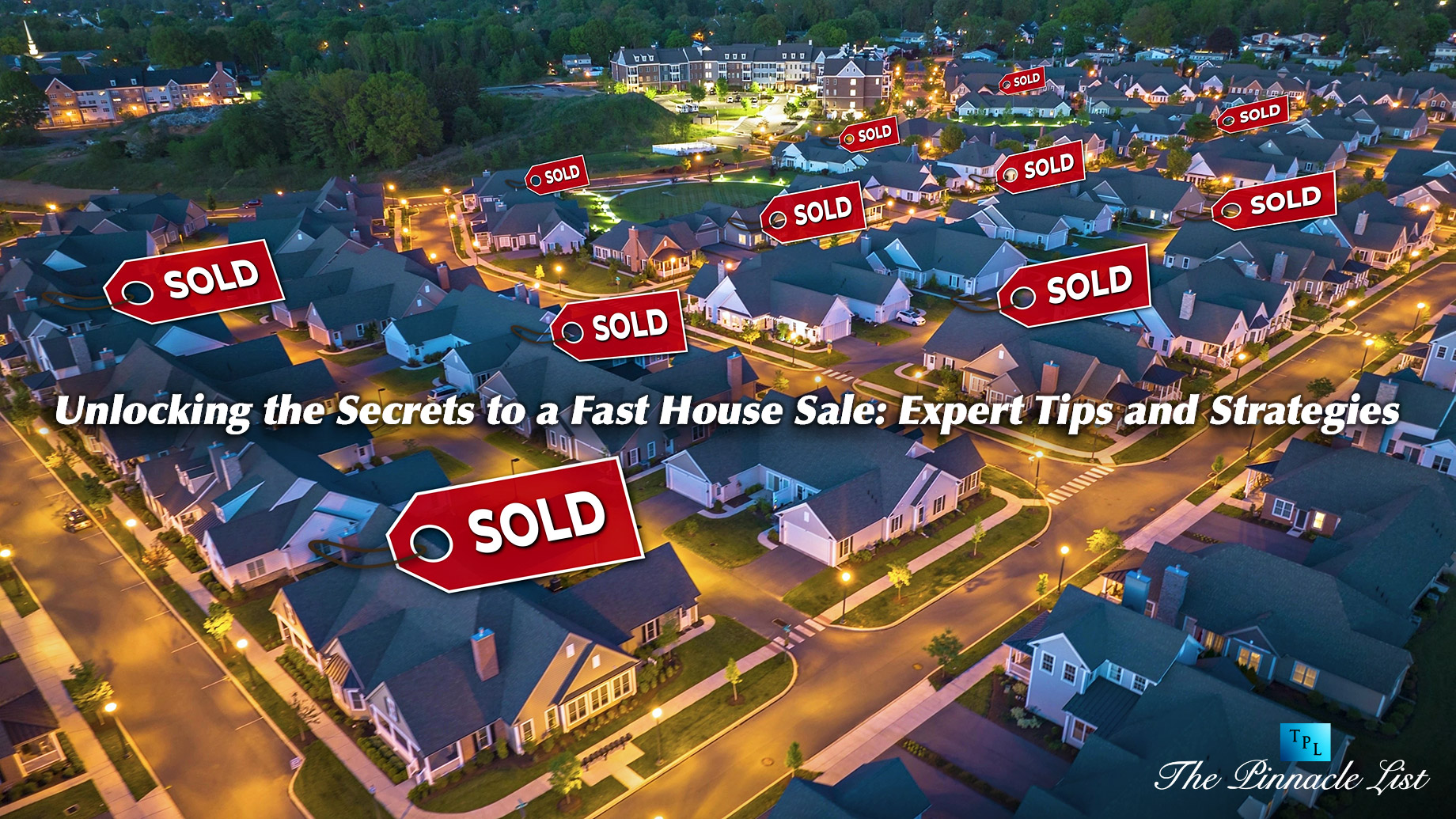
Unleash the potential of your property with a tailored marketing strategy that captivates buyers and leads to swift sales. In today’s competitive real estate market, showcasing your home effectively is paramount.
Understanding the nuances of property marketing not only highlights your home’s best features but also positions it as a must-see for prospective buyers. Let’s delve into creating a robust digital marketing plan that ensures your home reaches its perfect match.
Designing a Digital Marketing Plan for Home Sales
A well-crafted digital marketing plan is the cornerstone of a successful home sale. By leveraging the power of the internet, you can showcase your property to a broader audience, increasing the likelihood of a swift and profitable sale. Start by creating a comprehensive online presence for your home. Develop a dedicated listing page with professional photographs and detailed descriptions that highlight unique features. Incorporate strategies to ensure your listing ranks high in search results.
Next, utilize social media platforms to spread the word. Facebook, Instagram, and Pinterest provide visual storytelling opportunities that can pique the interest of potential buyers. Create engaging posts, use targeted ads, and collaborate with local influencers to reach a wider audience. Remember, consistency and creativity in your digital marketing efforts can significantly impact your property’s exposure.
Effective Advertising Channels and Platforms
Choosing the right advertising channels is crucial for reaching the ideal buyer demographic. Here are some effective platforms you should consider:
- Real Estate Websites: Platforms like Zillow and Realtor.com are essential for listing your property.
- Social Media: Use Facebook ads and Instagram stories to create buzz around your listing.
- Email Marketing: Reach out to your network with personalized emails highlighting your home’s selling points.
- Local Online Forums: Engage with community platforms like Nextdoor to target local buyers.
Organizing an Open House or Virtual Tour Event
Creating an immersive experience for potential buyers is vital in today’s digital age. Organize an open house or a virtual tour to give buyers a firsthand look at your property.
For an open house, ensure your home is staged impeccably and marketed through local channels and social media. During the event, provide brochures and be ready to answer questions that highlight your home’s benefits. If a physical open house isn’t feasible, consider a virtual tour. Use platforms like Matterport to create a 3D walkthrough, allowing buyers to explore your home from the comfort of their own space. Promote the virtual tour with a strategic social media campaign and email blasts to generate excitement and interest.
“A successful open house or virtual tour can turn a browser into a buyer.”
Negotiation Techniques with Buyers
Unlock the art of negotiation and transform potential offers into a profitable sale. This section will arm you with savvy strategies to engage with buyers effectively.
Negotiating the sale of your house is a delicate dance that requires preparation, poise, and a keen understanding of both your objectives and the buyer’s motivations. Mastering the art of negotiation can mean the difference between a good sale and a great one.
Handling Buyer Offers with Confidence
When an offer arrives, it’s not just about the numbers on the table. It’s about deciphering the intent and potential for compromise. Respond promptly to show seriousness, and always keep in mind your bottom line. If the offer doesn’t meet your expectations, consider making a counteroffer that reflects both your needs and the market conditions. Be prepared to justify your counteroffer with data and rationale, reinforcing your property’s value.
Maximizing Sale Price Through Negotiation
To maximize your sale price, be prepared to negotiate not just on price, but also on terms. Highlight unique features of your property that add value, and be ready to illustrate how these features meet potential buyers’ needs. Use
“The art of negotiation is getting what you deserve while leaving the other party feeling like they got a fair deal too.”
as your guiding principle. By maintaining a balance of assertiveness and understanding, you can often nudge your sale price higher.
Addressing Common Buyer Objections
Every buyer comes with a set of objections, which are both challenges and opportunities for you to showcase your property’s potential. Common concerns might include maintenance issues, neighborhood dynamics, or price. Being ready with thoughtful responses can turn these objections into selling points. For example, if a buyer is worried about an older kitchen, emphasize the opportunity to customize it to their taste, or highlight recent upgrades that enhance the home’s value.
Navigating the Closing Process
So, you’ve secured a buyer and are ready to finalize the sale of your house. The closing process is the final step to make your property handover both profitable and stress-free.
Understanding each aspect of closing will ensure you are prepared to confidently sign on the dotted line. Let’s delve into the crucial steps and documents, and guide you through to a seamless closure.
Steps in the Closing Process
The pathway to successfully closing a real estate deal involves several key stages. Initially, you must review and accept the purchase agreement. This document artikels all the terms of sale, including price and contingencies. Once agreed, you will move towards title search and insurance processes to ensure a clean title transfer. Next, a third-party appraisal is conducted, followed by the buyer’s final mortgage approval. The last step is the closing meeting where all parties sign the final documents, and ownership is officially transferred.
Essential Documents Needed for Closing
Ensuring you have all necessary paperwork ready is crucial for a smooth closing day. Here’s what you need:
- Purchase Agreement: The contract between buyer and seller.
- Title Deed: Proves ownership and is transferred to the buyer.
- Closing Disclosure: Artikels loan terms and closing costs.
- Home Inspection Report: Details condition of the house.
- Proration Agreement: Divides property expenses between buyer and seller.
These documents, among others, ensure all legal and financial obligations are clearly understood and met.
Creating a Timeline for Smooth Closing
A well-organized timeline is your ally in avoiding last-minute surprises. Start by setting realistic deadlines for each step, typically a 30 to 45-day period from the signed agreement to closing. Allocate time for each process:
- Day 1-5: Mutual acceptance of the offer – Begin with the signing of the purchase agreement.
- Day 6-15: Title search and insurance – Ensure no liens are present.
- Day 16-25: Home appraisal and inspection – Both steps can often run concurrently.
- Day 26-35: Final loan approval – Confirm buyer’s financing is secured.
- Day 36-45: Closing day – All parties meet, sign the documents, and the keys are handed over.
Each of these steps is crucial for a seamless transition from seller to buyer, ensuring both parties leave the table satisfied.
Summary
As you embark on this exciting journey, remember that selling your home is more than a transaction—it’s an opportunity to create a new chapter filled with promise. With the right strategies in your toolkit, you can navigate the real estate landscape with confidence and ease. Embrace the process, relish the experience, and watch as your property captivates buyers and achieves its full potential. Here’s to a swift, profitable sale and the exciting adventures that lie ahead!

